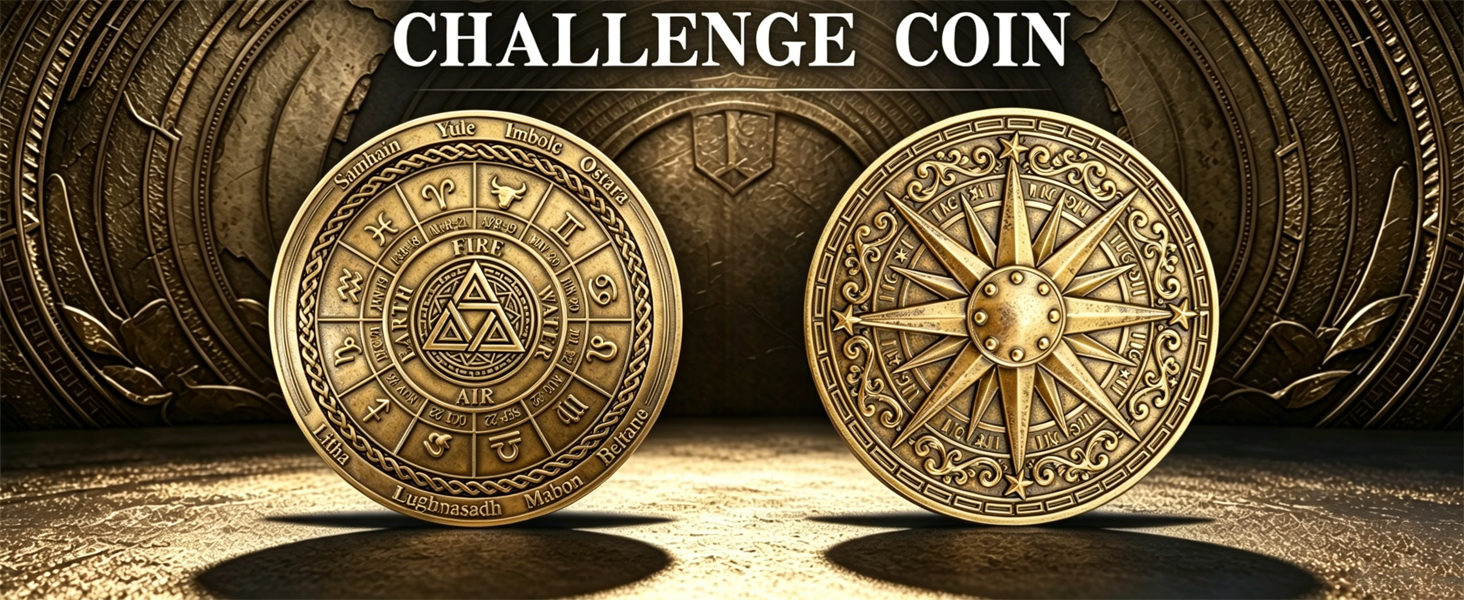
Collectible Coins, Challenge Coins, and Sobriety Coins: Small Objects with Lasting Meaning
Some objects are designed to be spent. Others are made to be kept, studied, traded, or carried as reminders of who we are and what we have overcome. A coin can sit in a display case, travel in a pocket, or rest on a desk as a daily anchor. What makes these pieces fascinating is not only their metal content or finish, but the stories they quietly hold.
Across different communities, coins serve different purposes. They celebrate craftsmanship, mark belonging, and honor personal milestones. The appeal is both visual and emotional: a small, detailed object that can carry a lifetime of meaning.
Collectible Coins: The Art of the Hunt
For many enthusiasts, collectible coins are part history lesson and part treasure hunt. The search itself is part of the pleasure: learning about mintages, identifying variations, comparing finishes, and discovering pieces that connect to a particular era, place, or theme. Some collectors focus on rarity, while others are drawn to design, color, or the story behind a release.
What Makes a Collection Personal
A meaningful collection rarely follows a single rule. One person may build around animals, ships, or historical figures. Another may collect only pieces connected to family history or travel. Condition matters, but so does connection. A flawless piece can be impressive, yet a slightly worn coin with a story can become the centerpiece of a private collection.
Challenge Coins: Symbols of Belonging
Modern challenge coins are often associated with military units, first responders, teams, and organizations, but their appeal reaches much further. They are handed out as tokens of recognition, camaraderie, and shared experience. A well-designed piece may feature a unit crest, a motto, a symbol of service, or a private joke understood only by those who were there.
A coin can be a trophy, a handshake, or a quiet promise. Its value is often measured in memory rather than metal.
The tradition works because it turns abstract values into something tangible. A person can look at a coin and remember a training class, a deployment, a team achievement, or a moment when someone said, “You belong here.” That emotional weight is why these pieces are often displayed with pride and protected carefully.
Collecting with Respect
When collecting these pieces, context matters. Learn the story behind the design, ask about the organization, and appreciate the meaning it holds for the original recipient. A coin that looks simple at first glance may carry years of service or friendship behind it. Displaying it thoughtfully honors that history.
Sobriety Coins: Milestones You Can Hold
Recovery milestones often take visible form through tokens that mark days, months, and years of progress. These pieces are simple but powerful. They can be carried in a pocket, kept in a wallet, or placed somewhere visible as a reminder of commitment and support. For many people, the physical object becomes a daily touchstone during difficult moments.
Meaning Over Material
The engraving matters more than the finish. Dates, anniversaries, short phrases, and symbols of hope can turn a small piece of metal into a source of strength. Some people collect them over time as a record of personal growth; others give them as gifts to friends and family members who are building a new chapter.
- Choose pieces that reflect the milestone. A specific date or phrase can make the object feel deeply personal.
- Store them with care. A small pouch, display tray, or keepsake box helps protect the surface.
- Let the story lead. The most memorable pieces are often the ones connected to a real moment of progress.
How to Display and Care for a Growing Collection
Good storage protects both appearance and value. Avoid loose piles that can scratch surfaces, and keep pieces away from excessive moisture. Felt-lined trays, capsules, albums, and display frames are practical options. If you rotate pieces for display, handle them by the edges and keep a simple record of where each piece came from.
Documentation adds depth. A short note about the design, the date acquired, or the person who gave it can transform a modest object into a family story. Over time, those notes become as valuable as the pieces themselves.
Finding the Right Piece for Your Story
Whether you are drawn to craftsmanship, community, or personal milestones, start with meaning. Look for clear details, thoughtful design, and a story that resonates with you. Read descriptions carefully, compare finishes, and ask questions when a piece is connected to a specific organization or occasion.
The best additions to any collection are not always the rarest or the most expensive. They are the ones that make you pause, remember, and feel connected to something larger than the object itself. A coin may be small, but its ability to hold memory, identity, and hope is remarkably large.