Fluid Extractor, Oil Extractor Pump, and Fluid Transfer Pump: A Practical Guide to Cleaner, Faster Maintenance
Changing fluids used to mean jacking up a vehicle, crawling underneath, and hoping the drain plug came loose without a fight. That approach still works, but it is rarely the fastest or cleanest option. For mechanics, fleet managers, and weekend wrenchers alike, a well-chosen extraction tool can turn a messy chore into a controlled procedure. The right equipment also reduces spills, protects sensitive components, and keeps your workspace from turning into an oil-slicked obstacle course.
Why Manual Drain Plugs Are No Longer the Default
Drain plugs are simple and effective, but they are not always accessible. Skid plates, low ground clearance, and tightly packed engine bays can make a traditional oil change feel like a puzzle. A quality fluid extractor solves that problem by pulling fluid upward through a dipstick tube or dedicated extraction port. No ramps, no drain pan shuffle, and no surprise splash when the plug finally gives way.
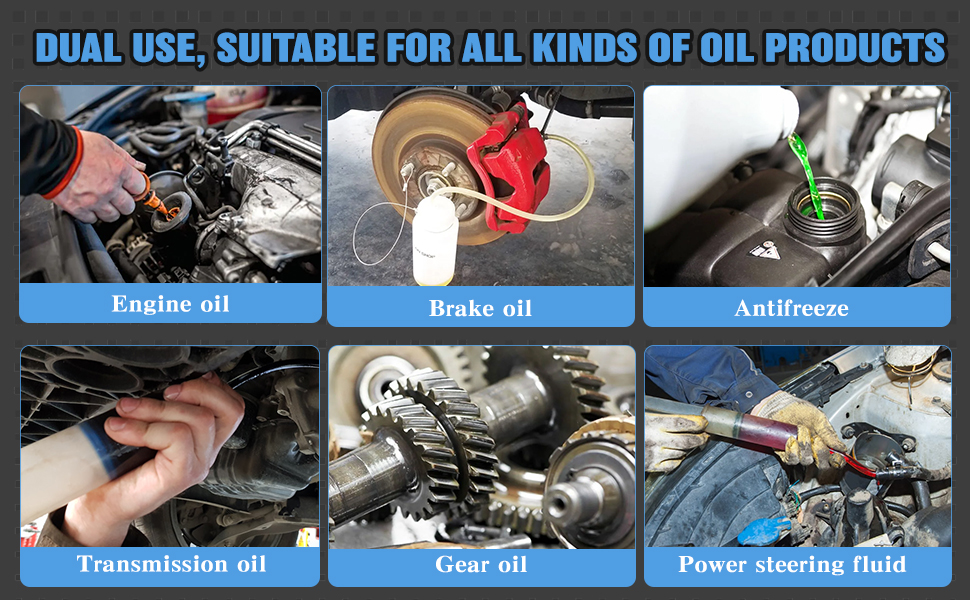
The same logic applies to transmission fluid, coolant, brake fluid, and even power steering fluid in some vehicles. Extraction is not a replacement for every drain-and-fill procedure, but it is a practical shortcut when you need to remove contaminated fluid without disturbing hard-to-reach hardware. For high-volume shops, that time savings adds up quickly across a week of service appointments.
An oil extractor pump is the heart of that workflow. It creates vacuum pressure, draws fluid into a reservoir, and lets you measure what came out before deciding how much fresh fluid goes back in. The best units are not necessarily the biggest or the most complicated; they are the ones that seal properly, resist chemical wear, and empty without dribbling oil down the side of the tank.
What Makes a Good Oil Extractor Pump?
Not all extractors are built for daily professional use. A pump that works fine once a month in a home garage may fail quickly when it is cycled through multiple vehicles every day. Focus on the parts that affect reliability: hose quality, valve design, reservoir construction, and the ease of cleaning between jobs.
- Hose flexibility: A stiff hose is difficult to feed into narrow dipstick tubes. Look for tubing that remains pliable in cool temperatures.
- Seal integrity: Weak seals cause vacuum loss, which turns a five-minute job into a frustrating repetition of pumping and waiting.
- Reservoir clarity: Translucent tanks make it easier to judge fluid condition and volume at a glance.
- Chemical resistance: Oil, coolant, and brake fluid each behave differently. Confirm the pump is compatible with the fluids you plan to handle.
Three details that separate reliable units from disposable ones
- Serviceable valves. Replaceable seals and valves extend the life of the tool instead of forcing a full replacement.
- Secure hose connections. A loose fitting can drip fluid onto hot exhaust components or create a vacuum leak.
- Stable base design. A tall reservoir that tips over easily is a spill waiting to happen.
Fluid Transfer Pump Applications Beyond Engine Oil
A fluid transfer pump earns its place in the shop by moving liquids from one container to another without requiring a funnel, a steady hand, and a stack of shop rags. Use it to refill differentials, top off hydraulic systems, move coolant into a recovery tank, or empty a reservoir before disassembly. The key is matching the pump to the fluid and the volume. Light solvents demand different materials than heavy gear oil, and high-volume transfers benefit from larger chambers and smoother pump strokes.
Practical rule: If the fluid is difficult to reach, easy to spill, or expensive to waste, a transfer pump is usually cheaper than the cleanup and downtime that follow a sloppy job.
When shopping for a fluid transfer pump, check the intake and discharge fittings first. Adapters that fit common drum sizes, bottle threads, and reservoir ports save time and reduce the temptation to improvise with tape and mismatched hoses. Also consider how you will clean the pump after use. A unit that cannot be flushed properly will eventually contaminate the next fluid it touches.
Workflow Tips for Cleaner Extraction and Transfer
Equipment alone does not guarantee a clean job. Technique matters. Warm the fluid slightly before extraction when the manufacturer allows it; warm oil flows more readily and carries suspended contaminants more effectively. Keep the extraction hose clean and inspect it for cracks before inserting it into a dipstick tube. If the hose slips off inside the tube, the job becomes far more complicated than it needs to be.
Label reservoirs and transfer containers clearly. It is easy to lose track of which tank holds used oil, which holds fresh fluid, and which is waiting for disposal. A simple marker and a consistent storage location prevent cross-contamination and make end-of-day cleanup faster.
Safety reminders that apply to every extractor and pump
- Never use an extraction pump on fuel unless it is explicitly rated for flammable liquids.
- Keep hot fluid away from plastic hoses that are not temperature-rated.
- Dispose of used oil and other fluids according to local regulations.
- Relieve vacuum pressure before opening a reservoir to avoid splashing.
Choosing the Right Tool for the Job
The best setup depends on how often you work, what fluids you handle, and how much space you have. A compact manual extractor suits occasional home maintenance. A pneumatic or electric oil extractor pump makes more sense for busy shops that need repeatable results without manual pumping. A dedicated fluid transfer pump rounds out the collection by handling refills and container-to-container moves that extraction alone cannot cover.
Look beyond the headline capacity numbers. Consider hose length, adapter variety, replacement-part availability, and the real ergonomics of carrying and emptying the unit. Those details determine whether the tool becomes a trusted part of your routine or another item that sits on the shelf after the first frustrating attempt. Choose carefully, maintain the seals, and keep the hoses clean, and your extraction and transfer equipment will pay for itself in fewer spills, faster service, and cleaner work.