Bird Feeders & Outdoor Accessories: A Complete Guide to a Thriving Backyard Aviary
Creating a bird-friendly outdoor space is one of the most rewarding projects a homeowner can undertake. With the right combination of bird feeders and outdoor accessories, you can transform a plain yard into a lively sanctuary that attracts cardinals, chickadees, finches, woodpeckers, and more. Whether you are a seasoned birder or a curious beginner, understanding how feeders, accessories, and seasonal care work together will help you build a backyard habitat that birds return to year after year.
Why Bird Feeders Matter More Than Ever
Habitat loss, changing weather patterns, and urban development have made reliable food sources increasingly important for wild birds. A well-placed feeder does more than offer a quick meal—it provides consistent energy for migration, breeding, and surviving harsh winters. Feeders also create a front-row seat to nature, offering hours of entertainment and learning for families, children, and anyone who enjoys observing wildlife.
“A backyard feeder is not just a snack station; it is a small act of conservation that ripples outward into the local ecosystem.”
Choosing the Right Feeder for Your Feathered Guests
Match the feeder to the birds you want to attract. Different species have different feeding habits, beak shapes, and preferences. Platform feeders appeal to ground-feeding birds like juncos and sparrows, while tube feeders work well for small perching birds such as finches and chickadees. Hopper feeders offer a classic look and hold a generous supply of seed, and suet feeders are essential for woodpeckers and nuthatches during colder months.
- Tube feeders: Best for sunflower seeds, nyjer, and small mixed seeds; discourage larger birds and squirrels.
- Hopper feeders: Easy to fill and maintain; ideal for cardinals and larger songbirds.
- Platform feeders: Open design attracts a wide variety; requires more frequent cleaning.
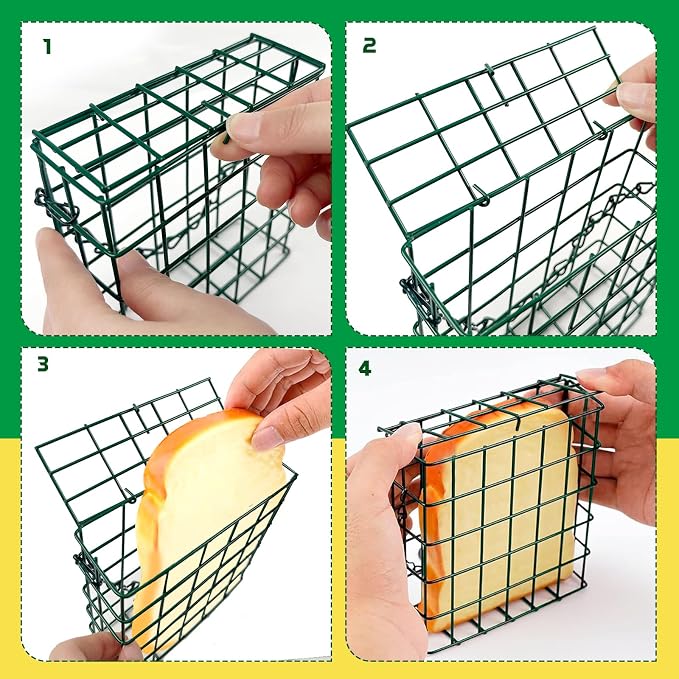
- Suet cages: High-energy food for insect-eating birds; especially valuable in winter.
- Window feeders: Perfect for close-up viewing and small spaces.
Placement Makes All the Difference
Position feeders where birds feel safe and you can enjoy the view. Keep feeders 10 to 12 feet from low shrubs or brush piles to give birds a quick escape from predators, but avoid placing them too close to windows. Use window decals or screens to reduce collisions. In hot weather, place feeders in partial shade to keep seed fresh; in winter, choose a spot sheltered from harsh winds.
Outdoor Accessories That Elevate Your Birding Setup
Feeders are only the beginning. The right accessories improve hygiene, reduce waste, deter pests, and make your outdoor space more inviting for birds and people alike.
Squirrel baffles and poles are among the most popular accessories. A baffle mounted above or below a feeder can frustrate even the most determined squirrels. Pole systems with multiple hooks let you create a feeding station that is easy to manage and visually appealing.
Seed storage containers keep food dry and fresh while protecting it from rodents. Weather guards shield feeders from rain and snow, preventing clogged ports and moldy seed. Bird baths provide essential drinking and bathing water; adding a dripper or bubbler can make them irresistible to birds. Cleaning brushes and feed scoops are small accessories with a big impact on feeder health.
Pro tip: Clean feeders every two to four weeks with a mild bleach solution (one part bleach to nine parts water), rinse thoroughly, and allow them to dry completely before refilling.
Attracting a Wider Variety of Birds
Variety is the spice of a healthy backyard habitat. Offer different seed types—black-oil sunflower, nyjer, safflower, and cracked corn—in separate feeders. Add a suet feeder for insect-eaters and a nectar feeder for hummingbirds if you live in the right region. Plant native flowers and shrubs nearby to provide natural food and cover. Leave a brush pile in a corner for shelter, and avoid pesticides that can harm birds and their insect prey.
- Provide water: A clean bird bath or shallow dish attracts species that may not visit feeders.
- Offer shelter: Dense shrubs, evergreens, and nest boxes give birds places to rest and raise young.
- Keep it clean: Regular cleaning prevents disease and keeps your feeding station welcoming.
- Be consistent: Birds learn routines; keep feeders stocked, especially during migration and winter.
Seasonal Care for Year-Round Success
Spring and summer bring nesting activity and a need for high-protein foods. Keep feeders clean and watch for mold during humid weather. Autumn is the time to stock up on sunflower seeds and suet as birds prepare for winter. Winter feeding can be life-saving; choose high-fat foods and check feeders after storms. No matter the season, fresh water and safe placement remain essential.
Building a Backyard That Birds Love
Bird feeders and outdoor accessories work best as part of a larger habitat. By combining quality feeders, smart placement, regular cleaning, and thoughtful extras like baffles, baths, and native plants, you create a space that supports birds through every season. Start small, observe what visits your yard, and adjust over time. The rewards—colorful visitors, soothing birdsong, and a deeper connection to nature—are well worth the effort.