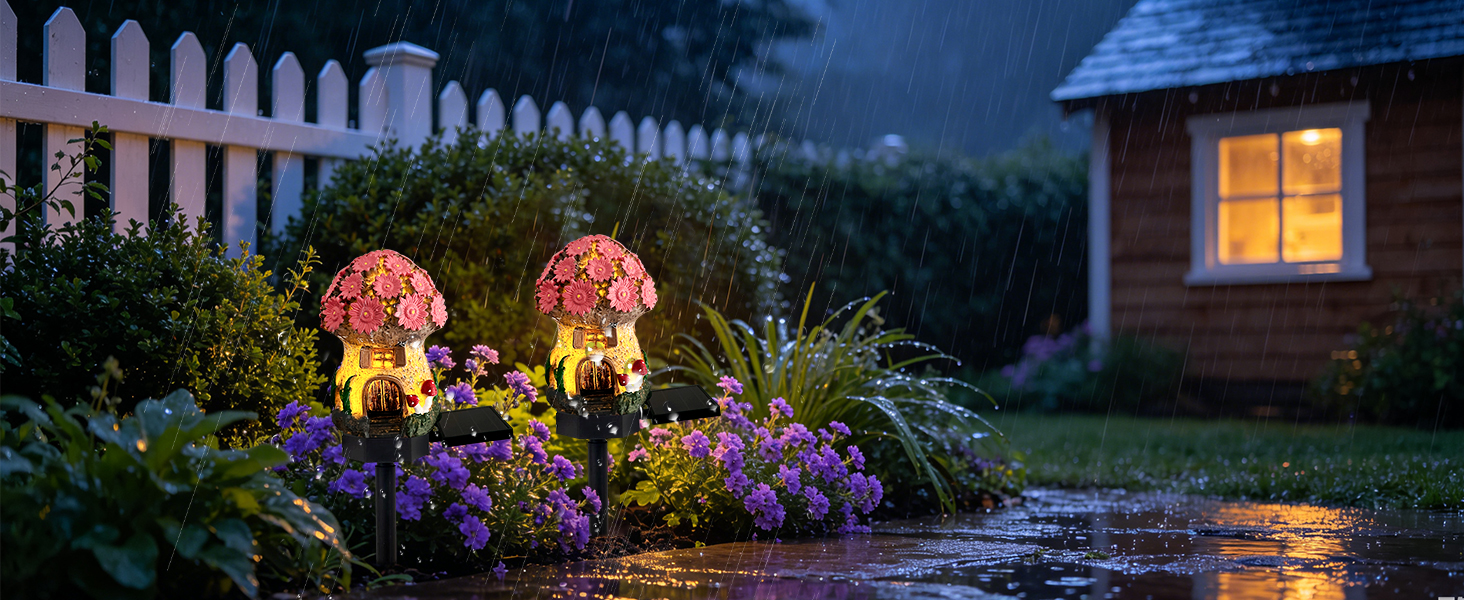
Solar Pathway Lights: A Smarter Way to Brighten Walkways, Gardens, and Outdoor Spaces
Outdoor lighting does more than chase away the dark. It makes a path safer, gives a garden depth after sunset, and turns an ordinary yard into a welcoming extension of the home. Among the many options available, solar pathway lights stand out for their practical appeal: they are easy to install, inexpensive to run, and increasingly elegant in design. Whether you are lining a front walk, defining the edge of a flower bed, or adding a soft glow around a patio, solar path lights can deliver a surprising amount of atmosphere without the hassle of wiring.
Still, not every solar light is worth buying. Performance varies widely, and the difference between a charming outdoor accent and a disappointing row of dim plastic stakes often comes down to a few key details. This guide explores how solar pathway lights work, what to look for, and how to use them well.
Why Solar Pathway Lights Make Sense
Traditional landscape lighting often requires trenching, electrical connections, and an outdoor power source. Solar path lights avoid most of that complexity. Each fixture usually contains a small solar panel, a rechargeable battery, an LED bulb, and a light sensor. During the day, the panel collects sunlight and charges the battery. At dusk, the sensor switches the light on automatically. By morning, the fixture turns off and begins charging again.
That self-contained design brings several benefits:
- No wiring: Place lights along paths, decks, and garden beds without hiring an electrician.
- Low operating cost: Sunlight does the work, so there are no added electricity bills.
- Flexible placement: Move lights when you redesign a bed or change a walkway.
- Automatic operation: Built-in sensors simplify daily use.
For homeowners who want gentle guidance lighting rather than security-grade brightness, solar pathway lights are often the most convenient choice.
Design Matters as Much as Function
A pathway light should feel like part of the landscape, not an afterthought. Modern solar lights come in a wide range of styles, from minimal metal cylinders and classic lantern shapes to low-profile discs and textured stake lights. The right choice depends on the architecture of your home and the mood of your garden.
Coordinate the finish with your outdoor palette
Black fixtures tend to disappear into dark soil and greenery, creating a clean, understated look. Bronze and copper tones add warmth and pair well with brick, stone, and wood. Brushed steel or white finishes can feel crisp and contemporary, especially around modern patios and smooth concrete walkways.
Use repetition, not clutter
Pathway lighting works best when it is consistent. A row of identical fixtures spaced evenly along one side of a walk can create rhythm and direction. Alternating sides can also look elegant, but too many lights in too many styles can make the landscape feel busy. Think of each light as a punctuation mark: a few well-placed ones can say more than a crowded paragraph.
Good pathway lighting is not about making everything bright. It is about helping people move comfortably while preserving the beauty of the night.
How to Choose the Right Solar Pathway Lights
Before buying, look beyond the shape of the fixture. The most important performance factors are brightness, battery quality, runtime, and weather resistance.
Brightness and beam angle
Pathway lights are meant to illuminate the ground, not flood the entire yard. Look for fixtures that produce a focused pool of light with a warm or neutral white tone. Very cool, blue-white light can feel harsh outdoors. If the product description includes lumens, choose a modest output for decorative paths and a slightly higher output for safety-focused areas.
Battery and runtime
The battery determines how long the light will glow after sunset. Lithium-ion batteries generally hold up better than older battery types, especially in cold weather. Check whether the battery is replaceable; a light with a replaceable battery can last for years instead of becoming disposable when the battery fades.
Materials and weather resistance
Outdoor fixtures face rain, sun, frost, and dust. Look for weather-resistant materials such as powder-coated metal, stainless steel, or high-quality resin. An IP65 rating or higher is a useful sign of protection against water and dust. Clear lens covers and sealed battery compartments also help prevent moisture problems.
Installation Tips for a Polished Look
Solar path lights are simple to install, but placement affects performance. The solar panel needs direct sunlight for most of the day. Shaded spots under trees or deep eaves may leave the battery undercharged. Before committing to a layout, place the lights where you think you want them and check the sun exposure at different times of day.
Space lights evenly, usually every six to eight feet along a path. Keep them close enough to create a continuous sense of guidance but far enough apart to avoid a runway effect. Position fixtures so they do not shine directly into windows or create glare on steps. For safety, keep light directed toward uneven ground, stairs, and turns.
Simple Maintenance Keeps the Glow Alive
Solar lights are low maintenance, but they are not maintenance-free. Dust, pollen, and bird droppings can reduce panel efficiency. Wipe the solar panels every few weeks during heavy pollen season and clean the lens covers when they look dull. During winter, remove snow or debris from the panels when possible. If a light stops working, check the battery, clean the contacts, and confirm that the panel is not shaded.
Over time, batteries lose capacity. Replacing them is often all a fixture needs to return to full performance. Choosing models with accessible battery compartments makes this small task much easier.
Final Thoughts
Solar pathway lights are an accessible way to improve safety, highlight landscaping, and extend the enjoyment of an outdoor space into the evening. The best results come from thoughtful placement, consistent design, and realistic expectations. These lights are not meant to replace strong security lighting; they are meant to guide, accent, and soften the landscape.
Choose well-made fixtures, give the panels plenty of sun, and keep the layout simple. With a modest investment and a little planning, solar pathway lights can turn a dark walkway into one of the most inviting parts of your home after sunset.